


Naturalization Process for U.S. Citizenship: What to Expect
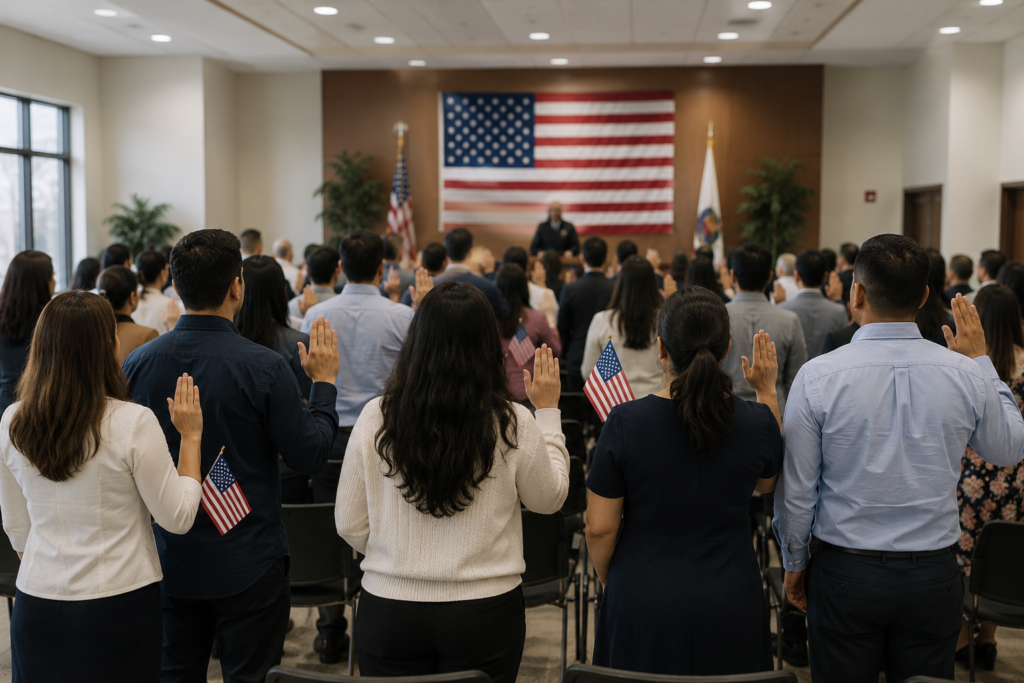
Naturalization is the legal process through which an eligible lawful permanent resident becomes a U.S. citizen. The process usually begins long before Form N-400 is filed because eligibility can depend on the applicant’s time as a permanent resident, physical presence, travel history, residence, good moral character, English and civics requirements, and other facts.
For many applicants, the process is manageable with careful preparation. For others, prior travel, taxes, arrests, immigration history, selective service issues, marital history or earlier applications can require closer review before filing.
Step 1: Determine the Basis for Naturalization Eligibility
The general naturalization provision commonly applies to lawful permanent residents who have held permanent resident status for at least five years and meet the other requirements. Certain applicants married to and living in marital union with a U.S. citizen may qualify under a three-year provision if all statutory requirements are satisfied.
USCIS instructions explain that applicants under the general five-year provision generally must have been physically present in the United States for at least 30 months during the five-year period. Applicants using the qualifying three-year spouse provision generally need at least 18 months of physical presence during that three-year period.
Continuous Residence and Travel Need Careful Review
Physical presence and continuous residence are related but different requirements. Physical presence counts the time actually spent in the United States. Continuous residence examines whether the applicant maintained the required U.S. residence during the statutory period.
Long trips can create problems even when the person kept a green card. Before filing, review every departure and return during the relevant period and compare the travel history with passports, travel records and prior immigration filings.
Step 2: Prepare and File Form N-400
Form N-400 asks for biographical information, addresses, employment, travel, family information, immigration history and a series of eligibility and good-moral-character questions. Answers should be accurate and consistent with prior records.
An applicant should not guess when a question is unclear. Prior petitions, green-card applications, tax records, court records or other documents may need to be reviewed so the N-400 does not unintentionally conflict with information already in the government’s file.
Step 3: Biometrics or Background Processing
After filing, USCIS may schedule biometrics when required or may reuse previously collected biometrics. Background and security checks are part of the naturalization process.
Follow every USCIS notice carefully. Missing an appointment, interview or request for evidence can delay the case or create other procedural problems.
Step 4: Attend the Naturalization Interview
At the interview, a USCIS officer reviews the application and eligibility. Applicants should be prepared to answer questions about the N-400 and provide requested original or updated documents.
This is also when most applicants complete the English and civics components unless an exception, exemption or accommodation applies. USCIS rules include specific exceptions based on age and time as a lawful permanent resident, as well as procedures for certain medical disability exceptions.
Step 5: Receive a Decision
USCIS may grant the application, continue the case when more evidence or testing is needed, or deny the application. A continued case is not the same as an approval or final denial. The notice should explain what additional step is required and the applicable deadline.
If the case is denied, the correct response depends on the stated reason and procedural posture. Do not assume that simply filing a new N-400 is always the best answer.
Step 6: Take the Oath of Allegiance
An approved applicant generally becomes a U.S. citizen only after taking the Oath of Allegiance at a naturalization ceremony, unless a legally recognized exception applies. USCIS issues instructions for the ceremony and the documents that must be brought.
Applicants should report significant changes that occur after the interview but before the oath when required. International travel, arrests or other events during that period should not be ignored merely because USCIS has already recommended approval.
Good Moral Character and Past Conduct
Naturalization includes a good-moral-character requirement. Certain conduct can create statutory bars, while other conduct may be considered in the overall assessment. The relevant period is important, but USCIS may review conduct outside the statutory period when evaluating present character.
Anyone with an arrest, conviction, probation issue, tax problem, failure to support dependents, prior immigration misrepresentation or other potentially significant history should obtain the underlying records and understand the possible naturalization consequences before filing.
Naturalization Help in West Covina and the San Gabriel Valley
Applicants in West Covina, throughout the San Gabriel Valley and across Los Angeles County may have straightforward naturalization cases or files involving years of immigration history. The process becomes easier to evaluate when the applicant first organizes the green-card history, travel, prior filings and any records connected to potential eligibility issues.
The firm’s Immigration page provides additional information about the firm’s immigration practice. Naturalization is not simply a paperwork exercise. The N-400 asks USCIS to evaluate eligibility for citizenship. Accuracy at the filing stage can prevent avoidable inconsistencies and help the applicant prepare for the interview and oath process with a clearer understanding of the case.
