


Defective Products, Definitive Justice: California Product Liability Claims
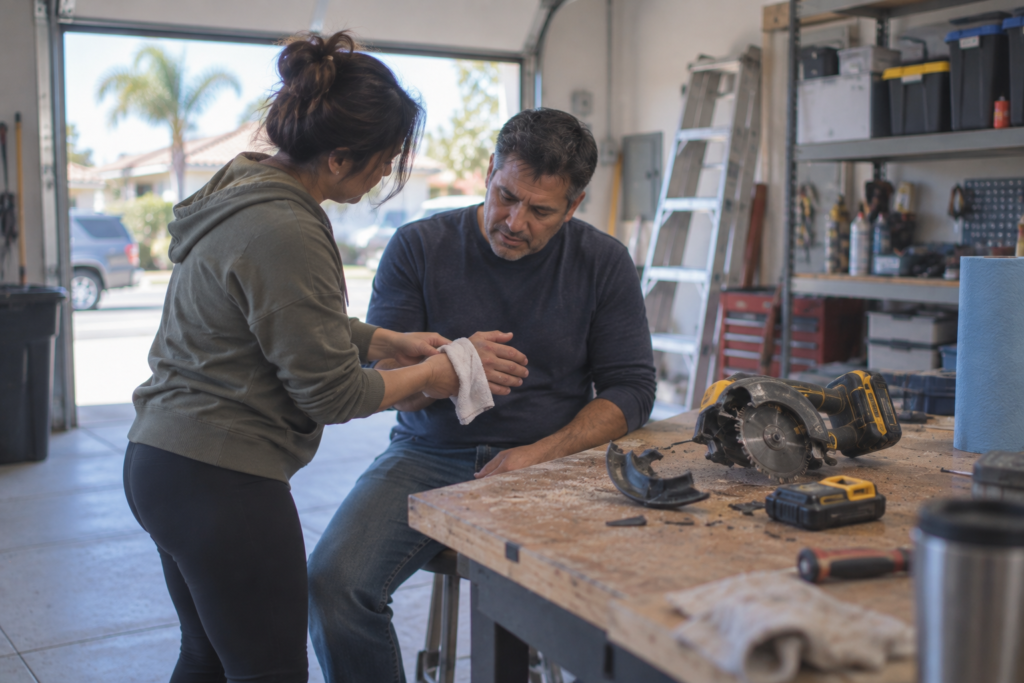
A defective product can support a California personal injury claim when a product defect is a substantial factor in causing injury. Product liability cases are different from ordinary accident claims because the focus may be on the condition or design of the product itself, the warnings that accompanied it, and the role of companies involved in putting it into the stream of commerce.
California recognizes several product-defect theories, including manufacturing defects, design defects, and inadequate warnings or instructions. Strict product liability can reduce the need to prove traditional negligence in some claims, but it is not absolute liability. The injured person still needs evidence connecting a legally recognized defect to the harm.
Manufacturing, Design, and Warning Defects Are Different
A manufacturing defect generally concerns a particular product that departed from the manufacturer’s intended design or from otherwise identical products. A design-defect claim focuses on the product’s design rather than an isolated production mistake. A warning-defect claim can involve a failure to provide adequate warnings or instructions about a known or knowable risk under the applicable legal framework.
Those distinctions matter because the evidence is different. A manufacturing case may depend heavily on the actual failed item and comparison products. A design case may require engineering evidence about how the product was intended to work. A warning case may turn on labels, manuals, instructions, packaging, foreseeable use, and what information was available when the product was distributed.
Preserve the Product Before It Is Repaired, Discarded, or Altered
The physical product may be the most important piece of evidence in the case. If possible, keep it in the condition it was in after the incident. Do not throw it away, disassemble it, repair it, return it to the seller, or authorize destructive testing before understanding how that could affect the evidence.
Preserve packaging, manuals, receipts, model and serial information, order confirmations, photographs, maintenance records, warranty communications, recall notices if any, and the names of anyone who saw the product fail. If the incident involved a larger machine, vehicle component, workplace tool, or installed product that you do not control, photographs and prompt preservation requests can become especially important.
Product Identification and the Chain of Distribution Matter
A claim usually requires reliable identification of the injury-producing product and the businesses connected to it. Depending on the facts, manufacturers, distributors, retailers, and other entities involved in placing a product into the stream of commerce may need to be evaluated. The Judicial Council’s product-liability instructions emphasize that strict liability is tied to a defendant’s role in the producing and marketing enterprise and is not simply imposed on every business that happened to touch a transaction.
That is why receipts, product labels, online purchase histories, model numbers, supplier records, photographs, and witness testimony can matter. A case becomes much harder if the product cannot be identified or if the item disappears before it can be examined.
A Product Failure Does Not Automatically Prove a Defect
An injury and a broken product do not by themselves establish every element of liability. The legal analysis asks what type of defect is alleged, whether the product was used in a reasonably foreseeable way, whether later modification or misuse played a role, and whether the defect was a substantial factor in causing the injury.
Comparative fault can also matter. California does not treat strict product liability as a guarantee of full recovery regardless of the injured person’s conduct. Evidence about how the product was used, whether warnings were followed, and whether someone altered or misused the product can affect the outcome.
Serious Product Injuries Can Create Long-Term Losses
Defective products can cause burns, fractures, amputations, crush injuries, head trauma, spinal injuries, and other serious harm depending on the product and failure mechanism. When the injury has long-term consequences, the claim may need to account for more than the first hospital bill.
For example, a severe neurological injury may require future treatment, rehabilitation, assistive equipment, home modification, lost earning capacity, and other ongoing needs. The article on spinal cord injury claims addresses how long-term medical and functional evidence can affect a catastrophic-injury claim.
Recalls Can Help, but They Do Not Decide the Case
A recall, safety notice, or later design change can be relevant, but its legal significance depends on the product, timing, defect theory, and admissible evidence. The absence of a recall does not automatically prove a product was safe, and the existence of a recall does not by itself prove that the specific defect caused the plaintiff’s injury.
Medical and Financial Documentation Still Matter
Even when liability centers on a defective product, damages still need to be documented. Keep medical records, bills, work restrictions, wage information, receipts for out-of-pocket expenses, photographs of physical injuries, and records showing how the injury affected daily activities.
The timing of symptoms and treatment can be important. Medical records should accurately describe how the incident occurred and what condition is being treated. A later expert can evaluate causation more effectively when the underlying records are complete and consistent.
Defective Product Claims in West Covina and Los Angeles County
For an injury caused by a defective consumer product, tool, machine, vehicle component, medical device, or other product in West Covina, the San Gabriel Valley, or Los Angeles County, the investigation should start with the product itself. The firm’s Personal Injury page provides broader information about civil injury claims and damages.
A product liability case should follow the evidence. The product, its design, its manufacturing history, warnings, distribution records, the way it was used, and the medical mechanism of injury all need to fit together. Preserving those pieces early can make the difference between a claim that can be investigated and one built largely on memory.
