Cómo se calculan los daños por accidentes automovilísticos en Los Ángeles

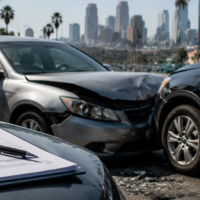
No existe una fórmula única que determine el valor de cada reclamación por accidente de auto en Los Ángeles. La ley de California proporciona el marco, but dos personas pueden estar involucradas en colisiones similares y tener daños muy diferentes porque sus lesiones, tratamiento médico, tiempo ausente del trabajo, limitaciones a largo plazo, cobertura de seguro y pruebas son diferentes.
Una forma útil de entender los daños es separar las pérdidas que normalmente se pueden documentar en dólares de las pérdidas que no vienen con una factura. El valor final de una reclamación también depende de si esas pérdidas se pueden vincular al accidente y demostrar con pruebas fidedignas.
Los daños económicos cubren pérdidas financieras medibles
Los daños económicos son las pérdidas financieras causadas por una lesión. En un caso de accidente automovilístico, pueden incluir gastos médicos razonables, salarios perdidos, daños a un vehículo u otra propiedad, y otros costos relacionados con el accidente que puedan documentarse.
Los daños médicos pueden implicar más que la primera factura de la sala de emergencias. Dependiendo de la lesión, la reclamación puede necesitar tener en cuenta las citas de seguimiento, las pruebas de diagnóstico, la cirugía, la fisioterapia, la medicación, los dispositivos de asistencia y la atención médica que razonablemente se espera que sea necesaria en el futuro.
Los daños por pérdida de ingresos también pueden ir más allá de los salarios ya no percibidos. Una lesión grave puede afectar la capacidad de generar ingresos en el futuro cuando una persona no puede regresar al mismo tipo de trabajo o ya no puede trabajar al mismo nivel.
Los daños no económicos abordan el impacto humano de una lesión
No toda pérdida se puede medir con recibos. California reconoce los daños no económicos como el dolor físico, el sufrimiento mental, la angustia emocional, los inconvenientes, la pérdida del disfrute de la vida, la desfiguración y el deterioro físico cuando están respaldados por los hechos del caso.
No existe una fórmula fija en California para asignar un valor a estas pérdidas. Las calculadoras de internet a veces sugieren multiplicar las facturas médicas por un número predeterminado o asignar una tarifa diaria por el dolor y el sufrimiento. Esos enfoques pueden utilizarse informalmente en las negociaciones, pero no son una regla que un jurado de California esté obligado a seguir.
La evidencia es más importante que un multiplicador genérico. La duración y gravedad de la lesión, el efecto en las actividades cotidianas, el curso del tratamiento médico, las limitaciones físicas y el testimonio creíble pueden afectar la forma en que se evalúa el daño no económico.
Las pérdidas futuras necesitan apoyo
Una reclamación puede incluir pérdidas que aún no se han producido cuando las pruebas demuestran que se esperan razonablemente en el futuro. Los ejemplos pueden incluir tratamientos médicos futuros, pérdida de ingresos futuros o limitaciones físicas continuas.
Los daños futuros no son simplemente estimaciones elegidas por la persona lesionada. Es posible que se necesiten opiniones médicas, expedientes laborales, historial salarial, pruebas vocacionales y otra documentación para demostrar por qué se espera razonablemente una pérdida futura y cómo debe valorarse.
La culpa compartida puede reducir el monto recuperable
California’s comparative fault rules can affect the final recovery. If an injured person is assigned part of the responsibility for the accident, the damages awarded can be reduced by that percentage.
Por ejemplo, una persona a la que se le hayan reconocido $150 000 en concepto de daños y perjuicios y que sea declarada responsable en un 25% vería, por lo general, reducida esa cantidad en un 25%. Esto hace que las pruebas sobre cómo se produjo la colisión sean tan importantes como las relativas a las propias lesiones.
La cobertura de seguros puede afectar lo que está disponible en la práctica
The amount of damages and the amount of insurance available are separate questions. A serious injury may produce damages that exceed the at-fault driver’s liability limits. California’s minimum liability limits do not guarantee that enough insurance will be available to cover a severe injury.
Otra cobertura puede volverse relevante a veces, incluida la cobertura para conductores sin seguro o con seguro insuficiente. Identificar todas las pólizas potencialmente aplicables es una parte importante de la evaluación de una reclamación por accidente importante.
Los daños punitivos son diferentes de los daños compensatorios
Los daños económicos y no económicos están destinados a compensar el daño. Los daños punitivos cumplen un propósito diferente y no están disponibles simplemente porque un conductor haya sido negligente o haya causado un accidente grave.
California establece un estándar más alto para los daños punitivos, por lo general requiriendo evidencia clara y convincente de conducta que implique malicia, opresión o fraude. Si ese estándar puede aplicarse depende en gran medida de los hechos y no debe asumirse únicamente a partir de la gravedad de la colisión.
Documentos que pueden ayudar a establecer los daños
Un análisis sólido de daños comienza con los registros en lugar de con una calculadora de acuerdos. La documentación útil puede incluir historiales médicos y facturas, declaraciones de salarios, registros fiscales o de empleo cuando corresponda, fotografías, registros de reparaciones, recibos de gastos relacionados con el accidente e información que muestre cómo la lesión afectó las actividades diarias.
For people injured in West Covina, the San Gabriel Valley, or elsewhere in Los Angeles County, the firm’s página de práctica de accidentes automovilísticos proporciona más información sobre las reclamaciones por lesiones. El más amplio página de lesiones personales también explica las categorías comunes de pérdidas que pueden surgir después de que una negligencia causa una lesión.
El valor de una reclamación por accidente de automóvil depende en última instancia de los hechos específicos. Unos registros precisos y una revisión realista de la responsabilidad, las lesiones, las necesidades futuras y el seguro disponible proporcionan una mejor base que cualquier fórmula única para todos.
[START_FAQ]
Q: What compensation can a Los Angeles car accident claim include?
A: Depending on the facts, a claim can include medical expenses, lost earnings, property damage, other accident-related financial losses, and non-economic harm such as pain, emotional distress, and loss of enjoyment of life. Future losses may also be recoverable when supported by evidence.
—
Q: Is there a standard formula for pain and suffering in California?
A: No. California does not require a fixed multiplier or daily-rate formula for non-economic damages. The value depends on the evidence, including the severity and duration of the injury, treatment, physical limitations, emotional effects, and impact on daily life.
—
Q: Can future medical treatment be included in a car accident claim?
A: It can be when the evidence shows that future care is reasonably expected. Medical opinions, treatment plans, records, and other documentation may be needed to support the nature and cost of that future care.
—
Q: How does shared fault affect the value of a Los Angeles accident claim?
A: California’s comparative fault rule can reduce the recovery according to the injured person’s percentage of responsibility. If proven damages are $100,000 and the injured person is found 20% at fault, the recoverable amount would generally be reduced by 20%.
—
Q: Can insurance limits reduce what is practically recoverable?
A: Yes. The value of the damages and the amount of available insurance are separate issues. A serious injury can exceed the at-fault driver’s policy limits, which is why other potentially applicable coverage, including uninsured or underinsured motorist coverage, may need to be reviewed.
[END_FAQ]

