Personal Injury – Burn Injury Litigation

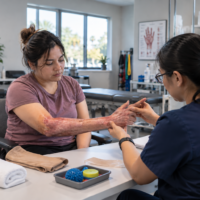
Burn injuries can result from vehicle fires, defective products, electrical incidents, unsafe property conditions, workplace events, explosions, chemicals, hot liquids, and other accidents. A serious burn can require emergency treatment, surgery, wound care, rehabilitation, and long-term management of scarring or physical limitations.
For a personal injury claim, the medical severity of the burn is only one part of the case. The injured person must also establish why the incident happened, who was legally responsible, how the burn was caused, and what losses can be supported by evidence.
The Liability Theory Depends on How the Burn Happened
A burn from a vehicle collision may involve negligent driving or a defective fuel or electrical component. A restaurant or property injury may involve an unsafe condition or failure to use reasonable care. A workplace incident may involve workers’ compensation and, in some cases, a separate third-party claim. A defective appliance, battery, tool, or medical device may raise product-liability issues.
The investigation should begin with the mechanism of injury rather than assuming that every burn claim follows the same legal theory.
Preserve the Product, Scene and Physical Evidence
Burn scenes can change quickly. Damaged wiring is replaced, debris is removed, appliances are discarded, vehicles are salvaged, and workplaces reopen. Photographs and video taken before conditions change can become important.
If a product may have caused the injury, preserving the actual item can be critical. The article on defective products and California product liability claims explains why identifying and preserving the specific product can matter when a manufacturing, design, or warning defect is suspected.
When a medical device is involved, the article on defective medical device claims discusses additional product-identification and medical-record issues.
Medical Documentation Can Show More Than the Initial Burn
Burn injury records may document the location and extent of the injury, treatment, surgery, grafting, infection concerns, pain management, therapy, mobility restrictions, scarring, and follow-up recommendations. Serious burns can affect function long after the initial wound closes.
Medical decisions should remain with qualified healthcare providers. The legal role of the records is to establish the injury, treatment course, prognosis, and connection to the accident.
The article on prompt medical treatment after an accident explains why consistent documentation can help connect an injury to the event that caused it.
Scarring and Disfigurement Can Be Separate Components of Harm
California’s civil damages framework recognizes non-economic harm that can include physical pain, mental suffering, loss of enjoyment of life, disfigurement, physical impairment, inconvenience, anxiety, humiliation, and emotional distress when supported by the evidence.
Scarring can affect people differently depending on location, visibility, contracture, function, sensation, treatment, occupation, and the individual’s life. A facial scar, hand burn, or large grafted area may create different functional and personal effects from a less visible injury.
Photographs over time can help show how the injury changed during healing. Medical records should support any claim that scarring or impairment is expected to be permanent.
Future Medical Care Must Be Supported by Evidence
Serious burn cases may involve future scar treatment, reconstructive procedures, therapy, medication, compression garments, rehabilitation, or other care. Future medical damages should not be based on speculation.
Treating physicians and qualified experts may be needed to explain which future care is reasonably expected. Cost evidence may then be necessary to establish the financial impact.
Burn Injuries Can Affect Work and Earning Capacity
A person may miss work during hospitalization and recovery, return with restrictions, or become unable to perform duties that require heat exposure, manual dexterity, lifting, prolonged standing, public interaction, or other functions affected by the injury.
Past lost earnings and future loss of earning capacity are different concepts. Payroll records and employment documents may establish wages already missed. Future earning-capacity claims can require more detailed medical, vocational, and economic evidence.
The article on special and general damages in California personal injury cases explains how measurable financial losses differ from non-economic harm such as pain, emotional distress, and disfigurement.
Psychological Effects Should Be Documented, Not Assumed
Serious burn injuries can be emotionally difficult, particularly when treatment is prolonged or scarring changes appearance or independence. But a legal claim should not assume that every burn survivor experiences the same psychological response.
When emotional or psychological harm is significant, appropriate treatment records and credible testimony can help document how the injury affected the individual person. The goal is accurate evidence, not dramatic language.
Expert Investigation May Be Needed to Determine the Cause
Some burn cases require technical analysis. An electrical engineer may investigate wiring or equipment. A fire investigator may examine ignition and burn patterns. A product expert may evaluate a battery, appliance, vehicle component, or industrial device.
When a collision and fire occur together, accident reconstruction may also become relevant. The article on accident reconstruction experts in legal cases explains how technical evidence can help determine the sequence of an event.
Comparative Fault and Multiple Causes Can Matter
California comparative-fault principles allow responsibility to be divided when more than one person or entity contributed to an injury. A burn case may involve several causes, such as unsafe equipment combined with improper maintenance or a collision combined with a product failure.
Investigation should identify each causal factor instead of forcing the case into a single theory too early.
Burn Injury Litigation in West Covina and Los Angeles County
For a serious burn injury in West Covina, the San Gabriel Valley, or elsewhere in Los Angeles County, early preservation of the scene, product, photographs, witness information, and medical records can make a substantial difference in determining what happened.
A severe burn does not automatically establish liability, and a visible scar does not by itself determine case value. A strong claim connects reliable liability evidence to the medical course, economic loss, functional limitations, disfigurement, and other harm actually caused by the incident.
[START_FAQ]
Q: What types of accidents can lead to a burn injury claim?
A: Burn claims can arise from vehicle fires, defective products, electrical incidents, unsafe property conditions, workplace accidents, chemicals, hot liquids, explosions, and other events when another person or entity may be legally responsible.
—
Q: Can scarring be part of damages in a California burn injury case?
A: Yes. Depending on the evidence, disfigurement, physical impairment, pain, emotional distress, and other non-economic harm can be considered along with medical expenses, lost income, and other economic losses.
—
Q: How are future burn-treatment costs proven?
A: Future care should be supported by medical evidence showing that the treatment is reasonably expected. Additional evidence may be needed to establish the projected cost of procedures, rehabilitation, therapy, medication, or other care.
—
Q: Should a damaged product be kept after a burn accident?
A: When a product may have contributed to the injury, preserving it can be important. Avoid discarding or altering potentially relevant evidence before the cause has been appropriately documented and evaluated.
—
Q: Does The Law Firm of Oscar A. Ischiu review serious burn injury claims?
A: Yes. The firm can review burn injury matters involving liability, product defects, property conditions, vehicle accidents, medical evidence, scarring, lost income, and long-term damages for clients in West Covina, the San Gabriel Valley, and Los Angeles County.
[END_FAQ]

