


Medical Bills After a California Accident: How a Personal Injury Lawyer Can Help
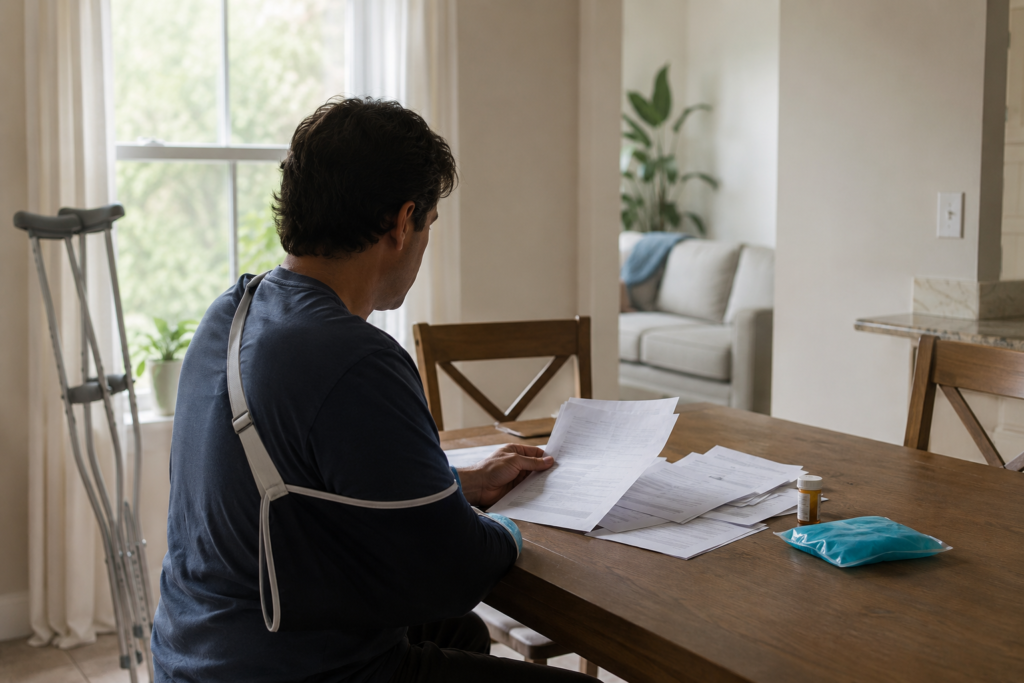
Medical bills can become one of the most confusing parts of a personal injury claim. Treatment may begin before anyone has accepted responsibility for the accident, bills can arrive from several providers, health insurance may pay only part of the charges, and the liability insurer for the person who caused the injury does not usually step in and pay every bill as it arrives.
A personal injury lawyer does not make medical bills disappear. The lawyer’s role is to identify how the bills fit into the injury claim, preserve documentation, review available insurance and reimbursement issues, and pursue compensation for reasonable medical expenses that were caused by the accident. That distinction matters because treatment, billing, insurance, and legal damages are related but not identical questions.
Medical Treatment Usually Starts Before the Injury Claim Is Resolved
After a car crash, pedestrian collision, fall, or other injury-causing event, medical decisions should be based on the person’s health and the recommendations of appropriate medical providers. The legal claim may take months or longer to resolve, while hospitals, physicians, therapists, imaging centers, pharmacies, and other providers may issue bills much sooner.
Depending on the circumstances, those bills may initially be processed through health insurance, medical-payment coverage, another available benefit, or directly by the provider. The at-fault party’s liability insurer may ultimately be responsible for damages, but that does not mean it functions like a health insurer that pays each treatment invoice immediately.
Medical Expenses Are Part of California Personal Injury Damages
California personal injury damages can include the reasonable value of medical care that was reasonably required because of the injury. That can include past treatment and, when supported by evidence, medical care that is reasonably certain to be needed in the future.
The number printed on a medical bill is not automatically the amount a jury must award. California law distinguishes between billed charges, amounts actually paid, and evidence of the reasonable value of necessary medical services. The analysis can become more complicated when health insurance, negotiated rates, write-offs, unpaid balances, liens, or treatment outside an insurance plan are involved.
For that reason, a medical-damages file should include more than a stack of invoices. Medical records help connect the treatment to the injury. Billing statements show the charges. Explanation-of-benefits documents can show what an insurer paid or adjusted. Provider balances, payment records, and information about future treatment may also become relevant.
A Lawyer Can Organize the Medical Evidence Behind the Claim
One practical role of a personal injury lawyer is to build a coherent record of the medical side of the case. That can include obtaining records and bills, identifying gaps in documentation, tracking treatment over time, and separating accident-related care from unrelated medical history.
This does not mean every medical visit will automatically be accepted by an insurer or a jury. Insurers may dispute whether treatment was caused by the accident, whether it was reasonably necessary, whether a gap in treatment weakens the claimed connection, or whether future care is sufficiently supported. Medical records and qualified medical opinions can become important when those issues are disputed.
Health Insurance and Reimbursement Rights Can Affect the Final Distribution
When health insurance, Medicare, Medi-Cal, a medical provider, or another benefit program pays for accident-related care, there may be reimbursement, lien, or subrogation issues that must be addressed from a settlement or judgment. The rules differ depending on who paid the bill and what legal rights apply.
A lawyer can identify potential claims against the recovery, request payoff information where appropriate, and account for valid obligations before settlement funds are distributed. This is one reason the gross settlement amount and the amount ultimately received by the injured person are not necessarily the same.
People should not assume that every medical bill is automatically a lien, or that every asserted lien must be paid exactly as submitted. The specific payer, agreement, statute, and underlying bill matter.
Future Medical Care Should Be Considered Before a Claim Is Closed
A settlement usually ends the covered claim in exchange for a release. If an injury may require additional surgery, therapy, medication, injections, rehabilitation, or other care, resolving the claim before the medical picture is sufficiently understood can create a serious problem.
Future medical expenses require evidence. A lawyer may work with the treating providers and, in appropriate cases, other qualified experts to understand whether future care is reasonably expected and what information supports its anticipated cost. The goal is not to inflate the claim. It is to avoid valuing a case as though treatment ended when the medical evidence indicates otherwise.
Medical Bills Are Only One Part of the Damages Analysis
An injury claim can involve more than medical expenses. Depending on the facts, other damages may include lost earnings, reduced earning capacity, property damage, and non-economic harm such as physical pain, emotional distress, physical impairment, inconvenience, and loss of enjoyment of life.
A large medical bill does not automatically create a large settlement, and a smaller bill does not automatically mean an injury had little effect on someone’s life. Liability, causation, the nature of the injury, recovery time, future limitations, documentation, available insurance, and other evidence all affect the overall evaluation.
Handling Medical Bills After an Injury in West Covina
For someone injured in West Covina, elsewhere in the San Gabriel Valley, or across Los Angeles County, the immediate questions are often practical: Who should receive the bills? What should be sent to the insurer? Should health insurance be used? What happens if a provider wants payment before the injury claim settles?
The answers depend on the available coverage and the person’s specific medical and legal situation. The firm’s personal injury page explains the broader claims process. People injured in vehicle collisions can also review the firm’s car accident page for information about evidence, insurance, and damages after a crash.
The useful goal is not simply to collect bills. It is to understand what treatment was caused by the accident, what has been paid, what remains outstanding, what future care may be needed, and how those amounts should be addressed before the claim is resolved.
