


The Hidden Dangers of Horseback Riding
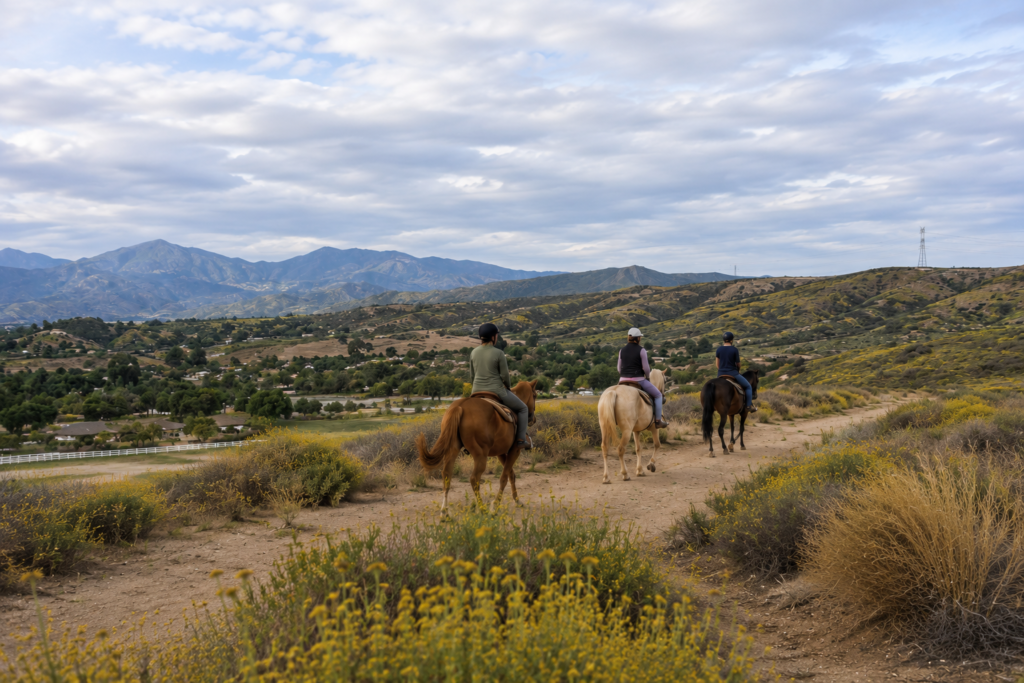
Horseback riding combines a powerful animal, changing terrain, specialized equipment and a rider whose experience may range from first lesson to advanced competition. Falls, kicks, bites, trampling injuries and collisions can happen even when everyone is trying to be careful. That makes horseback-riding injury cases legally different from an ordinary slip and fall.
The key question is not simply whether someone was injured at a stable, trail ride or riding lesson. California law may distinguish between risks that are inherent in a sport or recreational activity and additional dangers created by a defendant’s conduct, instruction, equipment, property condition or other circumstances.
Horseback Riding Has Risks That Cannot Be Eliminated Completely
Horses can react to noise, other animals, unfamiliar objects, terrain and rider movements. A rider can lose balance. A horse can stumble, buck, rear or change direction. These possibilities are part of why courts analyze sports and recreational injuries differently from routine premises cases.
California’s primary assumption-of-risk doctrine can limit liability for injuries arising from risks inherent in certain sports or recreational activities. The doctrine is fact-specific. It should not be summarized as “you rode a horse, so you cannot bring a claim.”
Instructors, Trainers and Facility Operators Can Raise Different Questions
The duties of a coparticipant, instructor, trainer or facility operator are not necessarily identical. California’s civil jury instructions recognize separate frameworks for claims involving coparticipants, instructors and trainers, and facilities or event operators in sports and recreational activities.
An injury during a lesson may therefore require questions about the rider’s experience, the horse selected, instructions given, supervision, the condition of tack or equipment, the nature of the exercise, warnings, and whether the conduct increased risks beyond those normally associated with the activity.
Equipment Problems May Matter
A saddle, stirrup, girth, bridle, helmet or other piece of equipment may become important evidence after a serious accident. A claim based on defective, improperly fitted or poorly maintained equipment is different from a claim based solely on the ordinary unpredictability of a horse.
When equipment may have contributed to the injury, preserve it if possible. Photograph how it appeared after the incident and avoid alterations until the potential evidence has been evaluated. Maintenance records, rental records, manufacturer information and witness accounts may also matter.
Property Conditions Can Be Part of the Analysis
Riding arenas, mounting areas, trails, gates, fences, walkways and stable grounds can present hazards. A dangerous property condition may be relevant when it contributes to an injury, but the legal analysis still must account for the recreational activity and the relationship between the condition and the risk that caused the accident.
For example, a fall caused by ordinary movement of a horse is not the same factual scenario as a poorly maintained gate that unexpectedly swings into a rider’s path. The details matter.
Waivers Should Be Read, Not Assumed
Riding facilities frequently use releases or liability waivers. The existence of a signed document can be important, but it should not be treated as an automatic answer without reading the actual language and considering the conduct alleged.
The enforceability and scope of a release can depend on the wording, the type of claim, how the agreement was presented, and California law. Keep a copy of anything signed before the ride, lesson, rental or event. If you do not have it, note when and how it was signed and request a copy through appropriate channels.
Evidence Can Disappear Quickly Around a Stable
After a serious injury, identify the horse, instructor, handler, stable, event organizer and witnesses. Photograph the location, equipment and visible injuries. Preserve booking confirmations, lesson descriptions, text messages, emails, payment records and any safety documents provided before the activity.
Video can be especially useful. A stable, arena, event venue or nearby property may have surveillance footage, and other riders or spectators may have recorded the activity on a phone. That evidence may show what happened more reliably than memories formed during a frightening event.
Medical Documentation Connects the Accident to the Harm
Horseback-riding injuries can include fractures, head injuries, spinal injuries, shoulder injuries and other trauma, but the specific medical evidence controls the claim. Seek appropriate care and accurately describe how the injury occurred.
A personal injury case may include medical expenses, lost income, reduced earning ability and non-economic harm when supported by evidence. A serious injury should not be valued from a generic list of “horse accident damages.”
When to Seek Legal Review
Legal review may be useful when an injury is severe, a child was injured, unsafe equipment is suspected, the lesson or activity appears inappropriate for the rider’s known experience, a facility condition contributed, important video or records may disappear, or the stable relies on a waiver to reject all responsibility.
For horseback-riding injuries in West Covina, the San Gabriel Valley or elsewhere in Los Angeles County, the firm’s Personal Injury page provides broader information. The central task is to separate inherent risks of the activity from evidence that another person or business may have increased the danger in a legally significant way.
