


California Meal Break Rules: What Employees Should Know
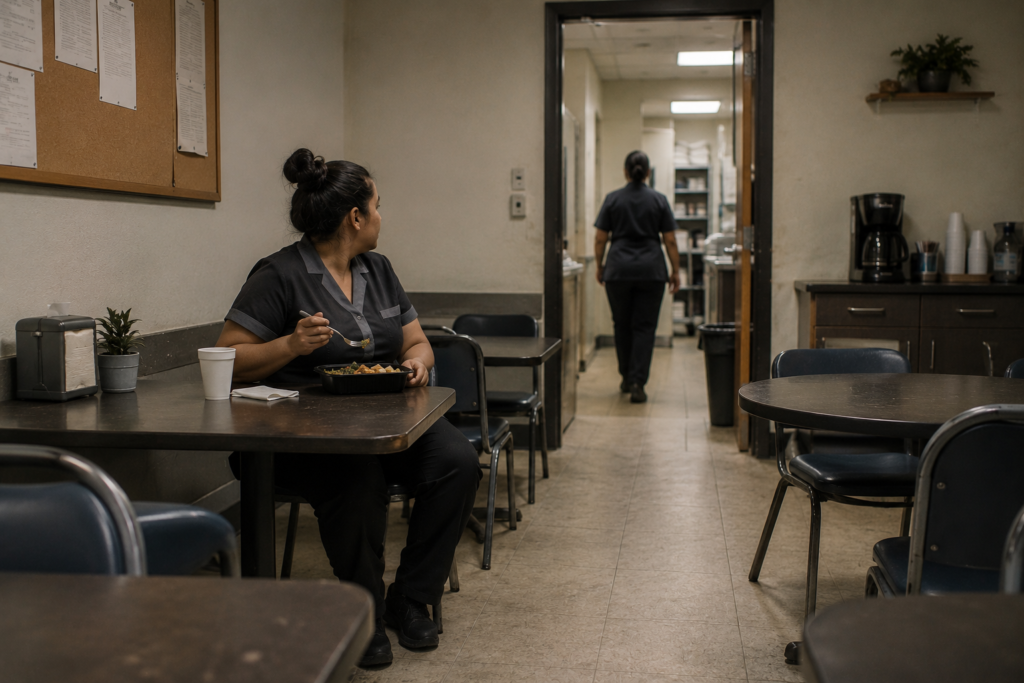
California meal-break law is more specific than the common idea that every worker simply gets “lunch after five hours.” For many nonexempt employees, an employer must provide a duty-free meal period of at least 30 minutes when the employee works more than five hours in a day. A second meal period is generally required when the employee works more than 10 hours.
There are lawful waivers and industry-specific exceptions, but they are narrower than many employees and employers assume. Whether a meal period was properly provided depends on timing, length, whether the employee was actually relieved of duty, whether a valid waiver applied, and the wage order governing the work.
The First Meal Period Is Generally Due by the End of the Fifth Hour
For a covered employee working more than five hours, the first meal period generally must begin no later than the end of the employee’s fifth hour of work. In practical terms, it must be provided before the employee begins a sixth hour of work.
The meal period must ordinarily be at least 30 uninterrupted minutes. An employer satisfies its obligation by relieving the employee of all duty, relinquishing control over the employee’s activities, allowing a reasonable opportunity to take the uninterrupted break, and not impeding or discouraging the employee from taking it.
An employer does not have to police every employee to make sure no work is ever voluntarily performed during a properly provided meal period. The employer does, however, have to genuinely provide the opportunity for a compliant break.
A First Meal Period Can Sometimes Be Waived
If the employee’s total work period for the day is no more than six hours, the first meal period may generally be waived by mutual consent of the employer and employee. That exception does not create a general right to skip lunch on longer shifts.
A policy that pressures workers to waive breaks, schedules work so tightly that taking a break is practically impossible, or rewards employees for routinely skipping required meal periods can raise a different issue. The legal question is whether the employer actually provided the required break without coercion or interference.
A Second Meal Period Is Generally Required After 10 Hours
When an employee works more than 10 hours in a day, California generally requires a second meal period of at least 30 minutes. It must ordinarily be provided no later than the end of the tenth hour of work.
The second meal period may be waived by mutual consent when the employee’s total hours worked are no more than 12 and the first meal period was not waived. If the shift extends beyond that limit, the waiver rules change.
Different rules can apply to certain industries, including some healthcare and motion-picture employees, so the applicable wage order should be checked rather than assuming the general rule always controls.
On-Duty Meal Periods Are Limited
A meal period is generally unpaid only when the employee is relieved of all duty. If the employee must keep working, remain responsible for job tasks, respond to customers, monitor equipment, or otherwise remain under employer control, the time may be compensable.
California permits an on-duty meal period only in limited circumstances when the nature of the work prevents the employee from being relieved of all duty and there is a qualifying written agreement. The agreement must also allow the employee to revoke it in writing.
Simply being short-staffed or busy does not automatically make every on-duty meal period lawful.
Missing a Required Meal Period Can Trigger Premium Pay
When an employer fails to provide a required meal period, California law can require one additional hour of pay at the employee’s regular rate of compensation for each workday the meal period was not provided. This is commonly called meal-period premium pay.
The premium is tied to the workday, not multiplied by the number of meal-period violations on the same day. Separate rest-period violations can create additional issues under California law.
Whether premium pay is owed can depend on why the break was missed. A voluntary decision by an employee to work through a meal period that was properly provided is different from an employer failing to provide the break or discouraging the employee from taking it.
Keep Records of When the Break Problem Happened
Employees who believe required meal periods were not provided should preserve schedules, time punches, payroll records, text messages, manager instructions, staffing records, and personal notes showing when breaks were missed, shortened, interrupted, or delayed.
Time records can be especially useful because a recurring pattern may appear across multiple shifts. For example, clock records may show meal periods consistently starting after the fifth hour or unusually short meal periods that lasted only a few minutes.
Meal Break Rules Apply Separately From Overtime Rules
A worker can have a meal-period claim even without working overtime, and a worker can be owed overtime even when every meal period was provided correctly. The rules address different obligations.
Employees in West Covina, throughout the San Gabriel Valley, and across Los Angeles County should evaluate the actual schedule and pay records rather than assuming the employer’s handbook proves the breaks were provided. A written policy can be compliant on paper while day-to-day practices create a different record.
The useful question is simple: on each workday, did the employer provide the required meal period on time, for the required length, with genuine relief from duty, or did a lawful exception or waiver apply?
