


What You Need to Know About Traumatic Brain Injuries After an Accident
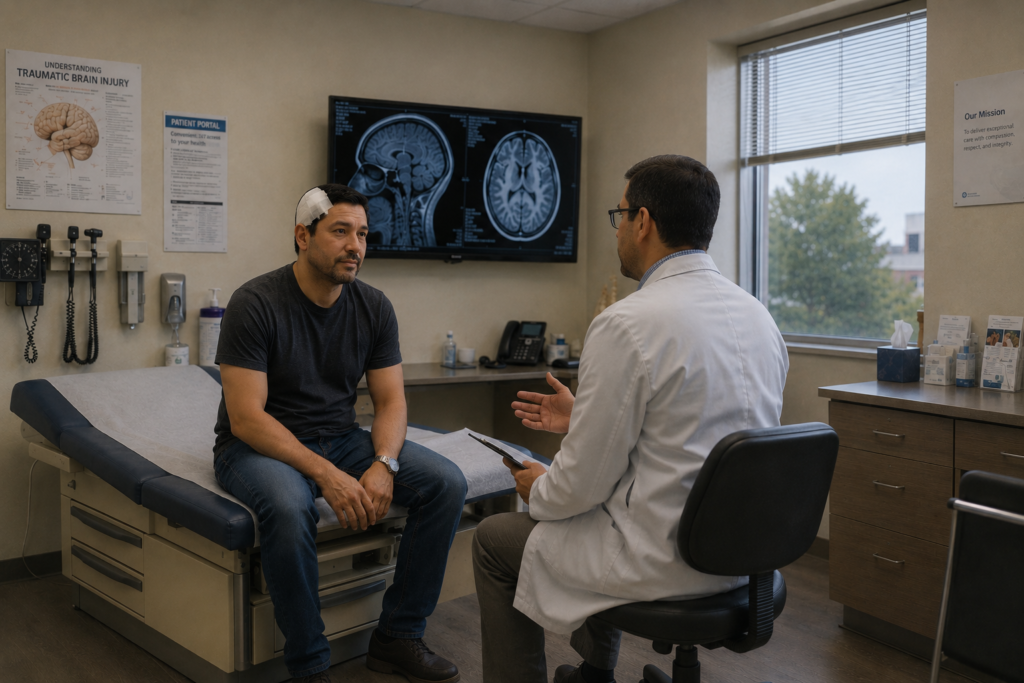
A traumatic brain injury (TBI) can change the course of an injury claim because the effects are not always visible from the outside. Some people lose consciousness after a crash or fall. Others remain awake and initially believe they are fine, then develop headaches, dizziness, memory problems, sleep changes, sensitivity to light or noise, or difficulty concentrating hours or days later.
A brain injury should be treated first as a medical issue, not a legal one. If there are emergency warning signs after a blow or jolt to the head, immediate medical care is important. Once the person’s health is being addressed, careful documentation can help explain how the injury occurred and how it affects daily life.
A Traumatic Brain Injury Can Range From Mild to Severe
The term traumatic brain injury, or TBI, covers injuries caused by an external force that disrupts normal brain function. A concussion is a type of mild TBI, but the word “mild” describes the initial classification and does not mean every person’s symptoms are insignificant.
The Centers for Disease Control and Prevention notes that mild TBI symptoms can affect physical comfort, thinking and memory, mood, behavior, and sleep. Symptoms can include headaches, dizziness, balance problems, nausea, vision problems, difficulty concentrating, feeling slowed down, irritability, anxiety, and changes in sleep.
Some Symptoms Do Not Appear Immediately
One difficult feature of brain injuries is timing. A person may be focused on a damaged vehicle, another injured family member, police questions, or the adrenaline of the accident and may not recognize cognitive or emotional changes right away. The CDC notes that some concussion symptoms can appear hours or days after the injury.
This is why an absence of dramatic symptoms at the scene does not by itself establish that no brain injury occurred. At the same time, a legal claim should not assume that every headache after an accident is a TBI. Medical evaluation, history, examination, diagnostic work when appropriate, and follow-up are important to distinguish among possible causes.
Know the Emergency Warning Signs
After a head injury, certain symptoms can signal a more serious condition. The CDC advises emergency care for danger signs such as a worsening headache that does not go away, repeated vomiting, seizures, weakness or numbness, decreased coordination, slurred speech, unusual behavior or increasing confusion, one pupil larger than the other, or loss of consciousness with increasing drowsiness or inability to wake.
Legal concerns should never delay emergency care. A person’s health comes first. From an evidence standpoint, prompt treatment also creates contemporaneous records of the symptoms that medical professionals observed and the recommendations they made.
Brain Injury Claims Often Depend on Functional Evidence
Medical records are central, but they may not tell the entire story. A person with a brain injury may struggle with ordinary activities that previously required little effort. Reading a page, following a conversation, handling several tasks, driving, working at a computer, remembering appointments, tolerating noise, or maintaining a normal sleep schedule can become difficult.
Evidence of these changes can come from treatment records, neuropsychological or other appropriate evaluations, employment records, school records, testimony from people who knew the injured person before and after the accident, and the person’s own consistent account of symptoms and limitations.
Proving the Accident Caused the Injury Matters
A California personal injury claim requires more than proving that someone has symptoms. The evidence must connect the defendant’s negligent conduct to the injury being claimed. In a motor vehicle collision, that may involve the severity and direction of impact, occupant movement, emergency records, photographs, witness statements, prior medical history, and medical opinions.
Insurance companies may argue that symptoms came from a preexisting condition, stress, age, a prior concussion, medication, or another cause. Prior medical history therefore should not be hidden or ignored. A more reliable approach is to distinguish what existed before the accident from what changed afterward.
Damages Can Extend Beyond Initial Medical Bills
When supported by evidence, a brain injury claim can involve emergency treatment, follow-up care, rehabilitation, therapy, medication, future medical needs, lost income, reduced earning capacity, and non-economic losses such as pain, cognitive limitations, emotional distress, and loss of enjoyment of life.
The extent of damages varies widely. Some people recover from a mild TBI within weeks. Others experience symptoms for months or longer. The CDC recommends speaking with a healthcare provider when symptoms do not resolve or worsen with a return to regular activities.
Preserving Evidence After an Accident
After a car crash, fall, pedestrian collision, bicycle accident, or other event involving a head injury, preserve photographs, video, witness information, incident reports, damaged property, and insurance communications. Keep medical appointments and tell healthcare providers accurately about symptoms, including cognitive, emotional and sleep problems rather than reporting only physical pain.
For people injured in West Covina, the San Gabriel Valley, or elsewhere in Los Angeles County, the firm’s Personal Injury page provides broader information about injury claims. Early legal review may be useful when the injury is serious, the cause is disputed, symptoms interfere with work or daily life, or an insurer is pressing for a quick settlement before the medical picture is clear.
