


The Importance of Prompt Medical Treatment After an Accident
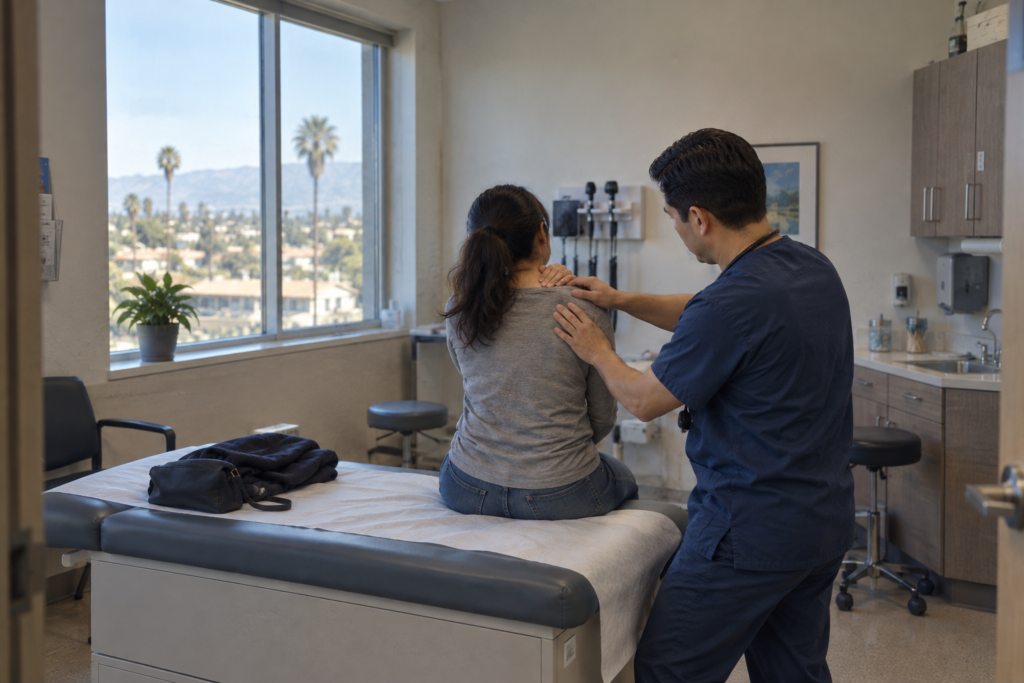
Getting medical care after an accident is primarily a health decision, but it can also become important evidence in a personal injury claim. Some injuries are obvious immediately. Others become more noticeable over the hours or days that follow, particularly after a collision, fall, or other traumatic event.
Prompt treatment can document when symptoms began, what a medical provider observed, what testing or referrals were recommended, and how the condition developed over time. It can also help prevent an insurance dispute from being reduced to a simple question such as, “If the injury was serious, why did the person wait so long to seek care?” A delay does not automatically defeat a valid claim, but unexplained gaps can make the medical history harder to evaluate.
Your Health Comes Before the Insurance Claim
Medical decisions should be based on the person’s condition and appropriate clinical advice, not on what seems best for a lawsuit. Call 911 or seek emergency care when symptoms or circumstances make that appropriate. Head trauma, loss of consciousness, severe pain, difficulty breathing, uncontrolled bleeding, weakness, confusion, repeated vomiting, or other significant symptoms can require urgent attention.
Not every accident requires an emergency-room visit. A person may instead be evaluated by a primary care physician, urgent-care clinic, specialist, or another appropriate provider. The important point is not to manufacture treatment for a legal claim. It is to take genuine symptoms seriously and obtain appropriate care rather than assuming everything will resolve on its own.
Some Injuries Are Not Fully Apparent at the Scene
Adrenaline and the stress of an accident can make it difficult to judge an injury immediately. Soft-tissue pain may increase after swelling develops. Headache, dizziness, light sensitivity, concentration problems, sleep changes, or other symptoms associated with a concussion may appear later. The CDC notes that some mild traumatic brain injury symptoms can arise hours or days after an injury.
That is one reason a person should pay attention to new or worsening symptoms after leaving the scene. The refreshed guide on traumatic brain injuries after an accident explains why head injuries deserve particular attention even when the initial event did not appear catastrophic.
Medical Records Help Establish the Timeline
A personal injury case generally requires proof connecting the accident to the harm being claimed. Treatment records can help establish that timeline. They may document the patient’s reported mechanism of injury, symptoms, physical findings, diagnostic testing, prescriptions, work restrictions, referrals, therapy, and follow-up recommendations.
Consistency matters. Patients should describe symptoms and the accident accurately rather than exaggerating or minimizing what happened. If a symptom did not begin until the next day, say so. If there was a prior injury to the same body part, do not hide it. A preexisting condition does not necessarily eliminate a claim, but inaccurate medical histories can create unnecessary credibility problems.
Follow-Up Care Can Matter as Much as the First Visit
An initial evaluation is only one part of treatment. A provider may recommend imaging, physical therapy, orthopedic evaluation, neurological care, follow-up testing, temporary restrictions, medication, or another course of treatment. When reasonable, following those recommendations helps doctors assess whether the patient is improving and what additional care may be needed.
Long unexplained gaps in treatment can become an issue because California law generally allows recovery only for harm caused by the defendant’s conduct, and an injured person has a duty to use reasonable efforts to avoid making damages worse. That does not mean someone must undergo every proposed procedure or keep treating indefinitely. Reasonableness depends on the circumstances, including medical advice, access to care, cost, transportation, insurance, work demands, and the person’s actual condition.
Keep Track of Bills, Referrals and Out-of-Pocket Costs
Medical treatment can generate records from several providers at once. Keep discharge papers, referral instructions, imaging reports, prescription information, receipts, work notes, and billing statements in one place. If health insurance pays part of the treatment, keep the explanation-of-benefits records as well.
Medical bills are not always handled the way injured people expect. Liability insurers generally do not function like health insurers that pay every invoice as treatment occurs. The article on how personal injury lawyers help with medical bills after an accident explains how treatment expenses, insurance payments, reimbursement issues, and a later injury claim can interact.
Do Not Let the Claim Dictate Your Recovery
It is easy for an injury claim to become centered on paperwork, adjusters, appointments, and documentation. The legal process should not replace the medical process. The goal of treatment is to address the injury. The legal claim then uses reliable evidence to show what the accident caused and how it affected the person’s life.
That distinction also protects credibility. A person does not strengthen a claim by seeking unnecessary treatment. Likewise, a person should not stop appropriate treatment merely because an insurer questions it. Medical choices should remain between the patient and appropriate healthcare providers.
Prompt Treatment and Personal Injury Claims in West Covina
For an injured person in West Covina, the San Gabriel Valley, or elsewhere in Los Angeles County, early documentation can make a later claim easier to evaluate. Evidence may include medical records, photographs, witness information, accident reports, insurance records, employment documentation, and proof of how the injury affected everyday activities.
The strength of a claim still depends on liability, causation, damages, insurance, and the facts of the accident. Prompt medical care does not guarantee compensation. It simply helps ensure that genuine injuries are addressed and that the medical history is documented while the events are still recent.
