


Proceso de reclamaciones por accidentes de automóviles en Los Ángeles: qué esperar
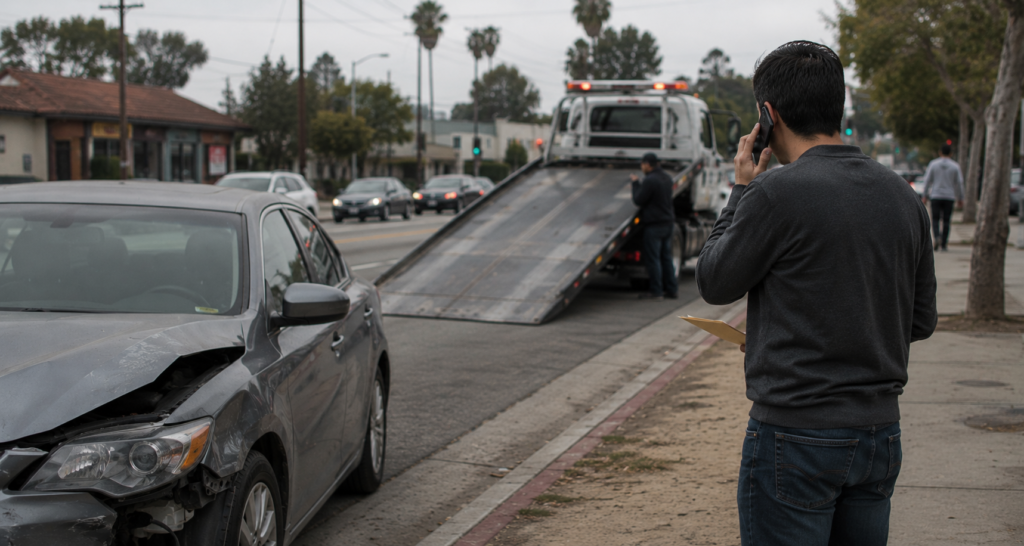
Una reclamación por accidente de tráfico en Los Ángeles no sigue exactamente la misma secuencia en todos los casos. Una reclamación menor por daños materiales puede ser muy diferente a una colisión que implique cirugía, culpa disputada, varios vehículos, un conductor comercial o una cobertura de seguro limitada. Aun así, la mayoría de las reclamaciones siguen el mismo marco central de California: preservar las pruebas, identificar el seguro, documentar las lesiones y pérdidas, evaluar la responsabilidad, negociar y decidir si es necesario un litigio.
Comprender esas etapas puede hacer que el proceso sea menos confuso, especialmente cuando una persona lesionada también está lidiando con tratamiento médico y tiempo fuera del trabajo.
1. Atender la seguridad, las necesidades médicas y los informes requeridos
La primera prioridad después de una colisión es la seguridad. Busque asistencia de emergencia cuando sea necesario y obtenga una evaluación médica adecuada para las lesiones.
California también cuenta con requisitos para la notificación de accidentes. Por lo general, debe presentarse un informe SR-1 ante el DMV en un plazo de 10 días si ha habido heridos o fallecidos, o si los daños materiales superan los $1.000. Este informe es obligatorio, además de las denuncias presentadas ante las fuerzas del orden o una compañía de seguros.
Cuando hay lesiones de por medio, hacer un seguimiento de los primeros síntomas, los diagnósticos, las recomendaciones de tratamiento y la atención de seguimiento puede ayudar más tarde a explicar cómo afectó el accidente a la persona desde el punto de vista médico.
2. Notificar a las compañías de seguros correspondientes
La notificación a la aseguradora suele ocurrir temprano, pero reportar una colisión no es lo mismo que resolver una reclamación por lesiones. La cobertura disponible puede involucrar la póliza del conductor culpable, la propia póliza de la persona lesionada u otro seguro, dependiendo de quiénes estuvieron involucrados y cómo ocurrió el accidente.
Los límites de la póliza son importantes. Los límites mínimos de responsabilidad civil en California son de $30 000 por lesiones o fallecimiento de una persona, $60 000 por lesiones o fallecimiento de más de una persona y $15 000 por daños materiales. Las lesiones graves pueden superar esos límites, lo cual es una de las razones por las que conviene identificar otras posibles coberturas en lugar de dar por sentado que una sola póliza resolverá cualquier siniestro.
3. Recopilar pruebas sobre cómo ocurrió la colisión
La responsabilidad es más fácil de evaluar cuando las pruebas se conservan con antelación. Las fotografías, la información de los testigos, los videos, los daños del vehículo, los informes de accidentes, las condiciones de la carretera y otros registros pueden ayudar a determinar por qué ocurrió la colisión.
En un caso disputado, la investigación puede ampliarse para incluir imágenes de videovigilancia, datos electrónicos del vehículo, registros laborales, pruebas de teléfonos celulares o reconstrucción pericial. No todos los casos requieren esos pasos, pero esperar puede hacer que algunas pruebas sean más difíciles de obtener.
4. Documente las lesiones y las pérdidas financieras
Una compañía de seguros no puede evaluar justamente las pérdidas que no han sido documentadas. Los historiales médicos y las facturas pueden mostrar el tratamiento y el costo. Los registros de empleo pueden ayudar a establecer el trabajo perdido o los ingresos perdidos. Los documentos de reparación pueden respaldar las reclamaciones por daños a la propiedad.
Para lesiones más graves, el análisis también puede incluir la atención médica futura, la capacidad de ganancia reducida, las limitaciones físicas y los daños no económicos como el dolor, la angustia emocional o la pérdida de disfrute de la vida.
5. Evaluar la culpa y la responsabilidad comparativa
California aplica la culpa comparativa. Si más de una persona contribuyó a la colisión, la responsabilidad se puede dividir por porcentaje. Una persona lesionada que tiene parte de la culpa aún puede recuperar daños y perjuicios, pero la recuperación puede reducirse según ese porcentaje.
Por lo tanto, antes de entablar negociaciones significativas para un acuerdo, es importante comprender tanto los daños como las pruebas de responsabilidad.
6. Negociar la reclamación por lesiones
Las negociaciones de acuerdo suelen implicar la presentación de los hechos del accidente, el historial médico, las pérdidas reclamadas y la base jurídica para responsabilizar a la parte asegurada. La aseguradora puede aceptar la responsabilidad, disputar parte de la reclamación, solicitar más documentación, cuestionar la gravedad de una lesión o argumentar culpa comparativa.
Una oferta rápida no es automáticamente una oferta justa, y una negociación larga no es automáticamente un signo de que una reclamación sea sólida. La respuesta adecuada depende de las pruebas, el monto de la pérdida documentada, el seguro disponible y los riesgos de un litigio.
7. Decidir si una demanda es necesaria
Muchas reclamaciones se resuelven sin juicio, pero el acuerdo no está garantizado. Una demanda puede ser necesaria cuando las partes no se ponen de acuerdo sobre la responsabilidad o los daños, cuando una aseguradora disputa la cobertura, o cuando un plazo de presentación exige actuar antes de que concluyan las negociaciones.
California generalmente otorga dos años a partir de la fecha de una lesión personal para presentar una demanda, sujeto a excepciones y reglas diferentes para ciertos demandados. Las reclamaciones contra agencias gubernamentales pueden requerir que se presente una reclamación mucho antes, generalmente dentro de los seis meses en caso de lesiones o daños a la propiedad personal.
Presentar una demanda no significa que un caso necesariamente vaya a juicio. Los casos pueden seguir resolviéndose mediante un acuerdo mientras el litigio está pendiente.
8. Revise cuidadosamente un acuerdo antes de firmar un descargo
Un acuerdo por lesiones personales suele requerir la renuncia a futuras reclamaciones. Una vez firmada dicha renuncia y resuelto el caso, reabrir el mismo asunto porque una lesión resulta posteriormente más grave puede ser difícil o imposible.
Antes de la liquidación, es importante comprender las lesiones conocidas, el tratamiento previsto, los saldos médicos pendientes o gravámenes, y qué reclamaciones pondrá fin el acuerdo de liberación.
Un proceso de siniestros basado en los hechos, no en una plantilla
Un choque en West Covina o en cualquier otro lugar del Valle de San Gabriel puede seguir estas etapas generales, pero el tiempo y la complejidad pueden cambiar rápidamente cuando hay lesiones graves, varios conductores, vehículos comerciales, automovilistas sin seguro o entidades gubernamentales involucradas.
De la firma página de práctica de accidentes automovilísticos explica más sobre las reclamaciones por colisión en California, mientras que el página de automovilista sin seguro cubre situaciones en las que el conductor responsable puede no tener suficiente seguro.
El enfoque más útil es preservar las pruebas, documentar las pérdidas a medida que se desarrollan, identificar toda la cobertura disponible y tener en cuenta los plazos aplicables desde el principio.
