


Cómo demostrar la culpa después de un accidente automovilístico en Los Ángeles
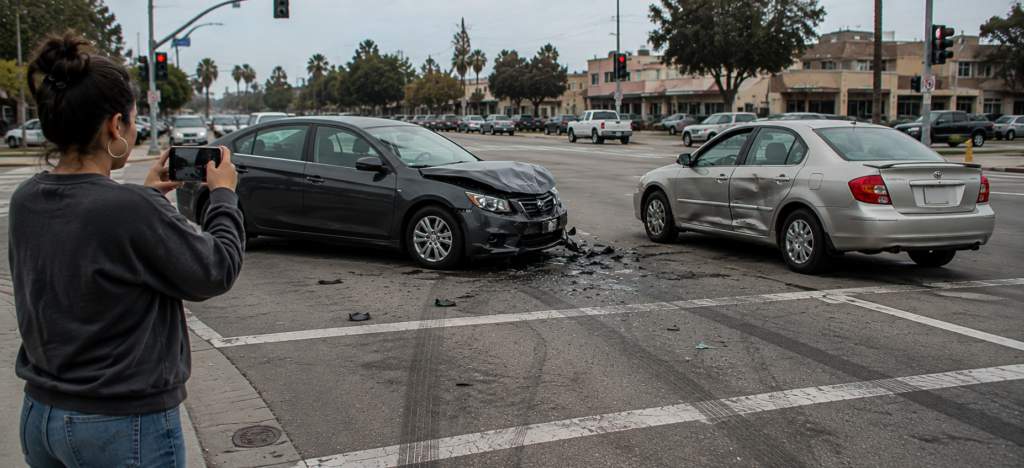
Demostrar la culpa después de un accidente automovilístico en Los Ángeles se trata menos de encontrar una prueba perfecta y más de construir un relato coherente de lo sucedido. La ley de California rige el análisis de responsabilidad, incluyendo si otro conductor no ejerció un cuidado razonable y si dicho incumplimiento causó la colisión y las lesiones resultantes.
Ese análisis puede ser sencillo en algunos accidentes y muy disputado en otros. Las intersecciones, las colisiones de varios vehículos, los accidentes por cambio de carril y los choques en los que las declaraciones de los conductores entran en conflicto suelen requerir varias formas de prueba antes de que la responsabilidad quede clara.
Empieza por lo que se puede conservar en la escena
Si es seguro hacerlo, las fotografías y los videos pueden capturar detalles que pueden ser difíciles de reconstruir más tarde. Las imágenes útiles pueden incluir las posiciones de los vehículos, daños por impacto, marcas de derrape, escombros, señales y semáforos de tráfico, marcas en los carriles, condiciones de la carretera y la intersección o vía circundante.
Las fotografías de las lesiones también pueden ayudar a documentar cómo se veía el estado de una persona poco después del choque, aunque los registros médicos siguen siendo importantes para establecer el diagnóstico, el tratamiento y la relación entre la colisión y la lesión.
La información de los testigos puede volverse más valiosa con el tiempo
Un testigo independiente puede recordar qué vehículo entró primero en una intersección, si un semáforo estaba en rojo o en verde, si un conductor iba exceso de velocidad o si un vehículo cambió de carril antes del impacto. Obtenga los nombres e información de contacto cuando sea posible en lugar de asumir que la información se incluirá en un informe posterior.
Los recuerdos se desvanecen. Un testigo que es fácil de localizar el día del accidente puede ser difícil de encontrar meses después.
Las pruebas en video y digitales pueden resolver relatos contradictorios
Las imágenes de las cámaras de salpicadero, las grabaciones de las cámaras de tráfico, los sistemas de vigilancia de los comercios cercanos o de los homes, y otros vídeos pueden resultar especialmente importantes cuando los conductores ofrecen versiones diferentes del accidente.
Algunas grabaciones se conservan únicamente durante un periodo limitado. Identificar posibles fuentes de video con rapidez puede marcar una diferencia sustancial en si la grabación todavía existe cuando alguien la solicita.
Dependiendo del caso, otra evidencia digital también puede importar. Los vehículos comerciales pueden contener datos electrónicos, y los registros de teléfonos celulares o aplicaciones pueden volverse relevantes cuando se disputa la distracción. Obtener esa información puede requerir pasos legales formales.
Las leyes de tránsito pueden ayudar a explicar por qué un conductor fue negligente
Las pruebas cobran mayor sentido cuando se relacionan con la conducta que causó el accidente. El exceso de velocidad, los cambios de carril peligrosos, no ceder el paso, mantener una distancia de seguimiento insuficiente, la conducción distraída y el incumplimiento de las señales de tráfico pueden respaldar el argumento de que un conductor no ejerció un cuidado razonable.
Una multa puede ser pertinente, pero la ausencia de esta no determina necesariamente la responsabilidad civil. Las compañías de seguros y los tribunales pueden considerar pruebas más amplias en lugar de tratar la decisión de un agente de policía en el lugar del accidente como la última palabra sobre la responsabilidad.
Los informes policiales son útiles, pero no lo prueban todo
Un informe de colisión puede contener información sobre el conductor y los testigos, declaraciones, diagramas, observaciones y multas. Puede ser un punto de partida útil cuando las partes no están de acuerdo.
Aun así, un informe puede estar incompleto o basarse en parte en declaraciones hechas después de la colisión. Las fotografías, los videos, la evidencia física, los registros médicos y el testimonio de testigos pueden proporcionar información adicional. En casos complicados, la reconstrucción de accidentes u otro análisis pericial también puede ser apropiado.
La regla de culpa comparativa de California hace que el porcentaje de responsabilidad sea importante
La culpa no siempre tiene que ser de todo o nada. Según el sistema de culpa comparativa de California, una persona que contribuyó al accidente aún puede recuperar daños y perjuicios, pero la cantidad puede reducirse según el porcentaje de responsabilidad de esa persona.
Esto significa que una disputa sobre un detalle Aparentemente pequeño puede afectar el valor de una reclamación. Si un conductor causó la colisión principal, pero se alega que el otro conductor iba a exceso de velocidad o estaba distraído, la compañía de seguros puede intentar asignar un porcentaje de culpa a ambos.
La prueba de lesiones y la prueba de culpa sirven para propósitos diferentes
Demostrar que otro conductor causó un accidente es solo una parte de una reclamación por lesiones. Un demandante también debe establecer las lesiones y pérdidas causadas por la colisión. Los registros médicos, las facturas, los registros laborales, las fotografías y otra documentación pueden ayudar a conectar el accidente con los daños que se reclaman.
Por lo tanto, un expediente sólido aborda ambas partes del caso: por qué la otra parte fue responsable y qué daños se produjeron.
Construye el expediente antes de que desaparezcan las pruebas
Las personas que sufren lesiones en West Covina y en todo el Valle de San Gabriel suelen circular por carreteras en las que los comercios, los semáforos, los cruces y los accesos a las autopistas pueden tener cámaras o testigos en las inmediaciones. Conservar esas pruebas desde el principio puede resultar especialmente importante cuando existe controversia sobre la responsabilidad.
De la firma página de práctica de accidentes automovilísticos proporciona información adicional sobre las reclamaciones por colisión en California. En el caso de los accidentes relacionados con la distracción, el página de conducción distraída aborda una base común de responsabilidad.
Ninguna lista de verificación por sí sola puede determinar la culpa en cada accidente. El enfoque más sólido es identificar los hechos en disputa, preservar la evidencia que pueda responder a esas preguntas y evaluar la responsabilidad según la ley de California.
