


Causas comunes de accidentes de motocicleta en California y cómo reducir el riesgo
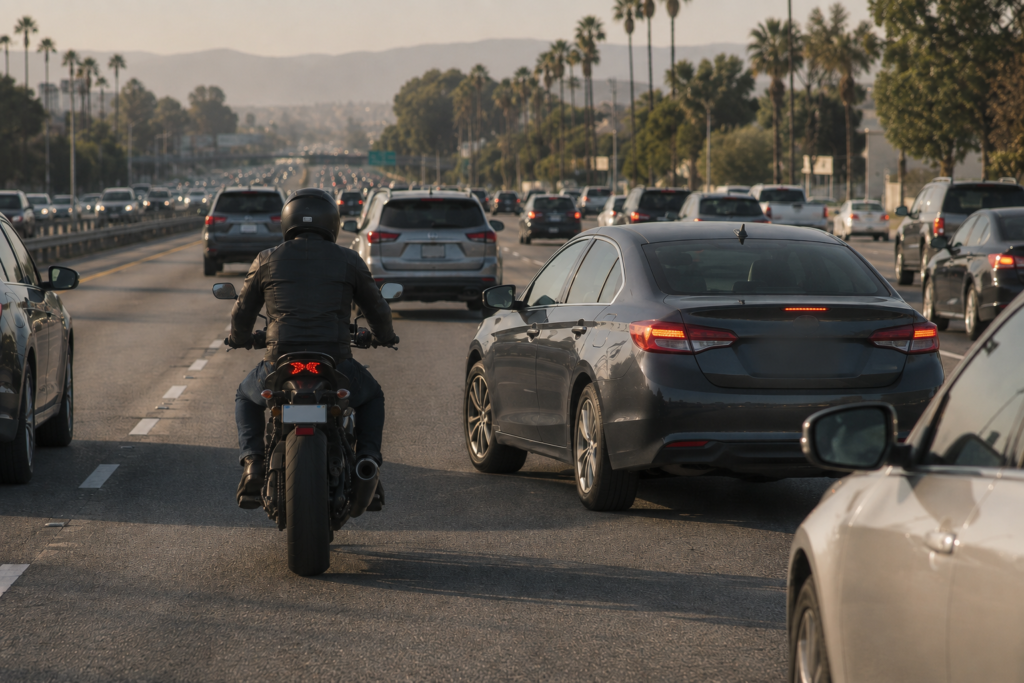
Los accidentes de motocicleta a menudo se describen como si el conductor simplemente hubiera asumido un riesgo al elegir una motocicleta. Esa no es una forma útil de entender cómo ocurren realmente los choques. Una colisión puede ser el resultado del giro peligroso de otro conductor, un cambio de carril indebido, velocidad excesiva, distracción, intoxicación, un peligro en la carretera, una falla mecánica, un error del conductor o varios factores que actúan en conjunto.
Comprender esas causas sirve para dos propósitos. Los motociclistas pueden reducir los riesgos evitables y las personas involucradas en un accidente pueden identificar la evidencia necesaria para determinar qué sucedió realmente en lugar de depender de suposiciones sobre los motociclistas.
Conductores que no ven una motocicleta
Las motocicletas tienen un perfil visual más pequeño que los vehículos de pasajeros, lo que puede hacer que a algunos conductores les resulte más difícil calcular la distancia y la velocidad. Un conflicto común ocurre cuando un conductor gira a la izquierda cruzándose en la trayectoria de una motocicleta que se aproxima o cambia de carril sin reconocer que un motociclista ya está al lado del vehículo.
Los motociclistas pueden mejorar la visibilidad utilizando iluminación adecuada, una buena posición en el carril y equipo reflectante o de alta visibilidad, pero las precauciones de visibilidad no eliminan el deber del conductor de mirar con atención antes de girar o cambiar de carril.
Giros a la izquierda inseguros y conflictos en las intersecciones
Las intersecciones combinan vehículos que giran, tráfico transversal, peatones, señales de tráfico y condiciones cambiantes de derecho de paso. Un conductor que calcula mal una motocicleta que se aproxima o gira sin suficiente margen puede provocar una colisión que el motociclista tenga poco tiempo para evitar.
Para los motociclistas, reducir la velocidad donde las líneas de visión son limitadas y estar atentos a los vehículos que esperan para girar puede proporcionar más tiempo de reacción. Después de un choque, la sincronización de los semáforos, las posiciones de los vehículos, las declaraciones de los testigos, los videos y los daños por impacto pueden ayudar a establecer la secuencia de los acontecimientos.
Cambios de carril inseguros y conflictos en puntos ciegos
Una motocicleta puede ocupar parte de la calzada que un conductor no revisa cuidadosamente antes de moverse lateralmente. Los cambios repentinos de carril, la falta de señalización o el desplazamiento entre carriles pueden obligar a un motociclista a chocar contra otro vehículo, un bordillo o realizar una maniobra evasiva.
Mantener distancia alrededor de los vehículos más grandes y evitar viajar prolongadamente en puntos ciegos obvios puede reducir el riesgo. Los conductores siguen siendo responsables de verificar que un cambio de carril se pueda realizar de manera segura.
La conducción entre carriles es legal en California
La sección 21658.1 del Código de Vehículos de California define el filtrado de carriles (conducir entre carriles) como la conducción de una motocicleta entre filas de vehículos detenidos o en movimiento en el mismo carril, incluso en calles, carreteras y autopistas divididas y no divididas. Por lo tanto, California no considera que el filtrado de carriles sea automáticamente ilegal en sí mismo.
Eso no hace que todas las maniobras de filtración de carriles sean seguras o razonables. La diferencia de velocidad, la densidad del tráfico, el ancho del carril, el movimiento de los vehículos circundantes, el clima, la visibilidad y la conducta tanto del motociclista como de los demás conductores pueden ser importantes si ocurre una colisión.
En una demanda por lesiones, el hecho de que un motociclista estuviera circulando entre carriles no debe sustituir a un análisis completo de la culpa comparativa. La cuestión es cómo la conducta de cada persona contribuyó al accidente.
Velocidad y distancia de seguimiento
El exceso de velocidad reduce el tiempo de reacción y aumenta la distancia de frenado. También puede aumentar la gravedad de un impacto. La velocidad puede convertirse en un factor tanto para el motociclista como para otro conductor, particularmente cuando el tráfico se ralentiza, un vehículo gira inesperadamente o la visibilidad es limitada.
Mantener una distancia de seguimiento razonable y ajustar la velocidad según el tráfico, el clima y la visibilidad le otorga al motociclista más opciones cuando las condiciones cambian. Después de un choque, la evidencia física, los videos, los datos del vehículo, las observaciones de los testigos y las mediciones de la carretera pueden volverse relevantes para las alegaciones de velocidad en disputa.
Conducción distraída y bajo los efectos de sustancias
El uso del teléfono, los sistemas de navegación, los controles del vehículo, los pasajeros y otras distracciones pueden apartar la atención del conductor de una motocicleta que ya es difícil de notar. El alcohol, las drogas o los medicamentos que afectan las capacidades pueden alterar aún más el juicio, el tiempo de reacción y el control del carril.
Los pasajeros también pueden estar distraídos o incapacitados. La culpa comparativa de California significa que la conducta de todos los implicados puede evaluarse cuando más de una persona contribuyó a la colisión.
Los peligros viales afectan a las motocicletas de manera diferente
Baches, grava suelta, aceite, agua estancada, placas de construcción, escombros, pavimento irregular y otras condiciones de la carretera pueden tener un mayor efecto en un vehículo de dos ruedas que en un automóvil de pasajeros. Un cambio repentino en la superficie puede reducir la tracción o forzar al conductor a cambiar de dirección.
Cuando una condición de la carretera contribuye a un accidente, las fotografías y los videos de dicha condición pueden ser especialmente importantes porque los baches pueden repararse, los escombros retirarse y las disposiciones de construcción modificarse. Una reclamación que involucre una vía pública o una entidad gubernamental también puede implicar procedimientos especiales y plazos más cortos.
Problemas mecánicos y mantenimiento
Los neumáticos, los frenos, los componentes de la dirección, las luces, la suspensión y otros sistemas pueden afectar el control de la motocicleta. Los motociclistas pueden reducir los problemas evitables siguiendo los programas de mantenimiento, revisando el estado y la presión de los neumáticos, y atendiendo las señales de advertencia en lugar de seguir conduciendo con un defecto conocido.
Si se sospecha que ha fallado un componente después de un accidente grave, conservar la motocicleta puede ser importante. Reparar, desechar o alterar la moto antes de que se investigue la causa puede dificultar la determinación de si un defecto, un problema de mantenimiento o los daños de la colisión ocurrieron primero.
El equipo de protección reduce el riesgo de lesiones, no las reglas de responsabilidad
La sección 27803 del Código de Vehículos de California exige que los motociclistas y pasajeros usen un casco de seguridad que cumpla con los requisitos aplicables. Las chaquetas protectoras, los guantes, las botas y otros equipos de conducción también pueden reducir ciertas lesiones, aunque no pueden prevenir todas las lesiones en una colisión grave.
El equipo de seguridad es importante, pero una reclamación por accidente debe centrarse aun así en la causa real de la colisión. El uso de casco no exime a otro conductor de una conducta negligente, y la ausencia de cierto equipo de protección opcional no determina automáticamente la culpa del choque en sí.
Qué conservar después de un accidente de motocicleta
Si es seguro y posible, conserve fotografías de la motocicleta, otros vehículos, la superficie de la carretera, las marcas en los carriles, los controles de tráfico, los escombros y las líneas de visión circundantes. Conserve la información de los testigos, los detalles del informe policial, los historiales médicos, el equipo de conducción dañado, los registros de reparación y las comunicaciones con el seguro.
La motocicleta en sí misma puede convertirse en prueba cuando se discute la geometría del impacto, el estado mecánico o un defecto del producto. La prueba electrónica o en video también puede ser urgente, por lo que su preservación temprana puede ser importante.
Reclamaciones por accidentes de motocicleta en West Covina y el condado de Los Ángeles
Los motociclistas en West Covina y en todo el Valle de San Gabriel comparten calles secundarias congestionadas y corredores de autopistas con vehículos de pasajeros, camiones comerciales, autobuses y tráfico de viajes compartidos. Los factores de riesgo varían según la carretera, pero los principios de negligencia y culpa comparativa de California siguen siendo el marco para decidir la responsabilidad civil después de un accidente.
De la firma página de accidente de motocicleta proporciona más información sobre estas afirmaciones. La firma página de lesiones personales explica cuestiones más amplias relacionadas con los daños, los seguros y el proceso de reclamaciones en California.
Reducir el riesgo en motocicleta se debe en parte a la preparación del conductor y en parte al comportamiento de los conductores de alrededor. Cuando ocurre un choque, el análisis legal más confiable proviene de la evidencia de la vía específica, los movimientos de los vehículos, las condiciones del tráfico y la conducta de todos los involucrados.
