


Lesiones comunes después de un accidente de camión en California
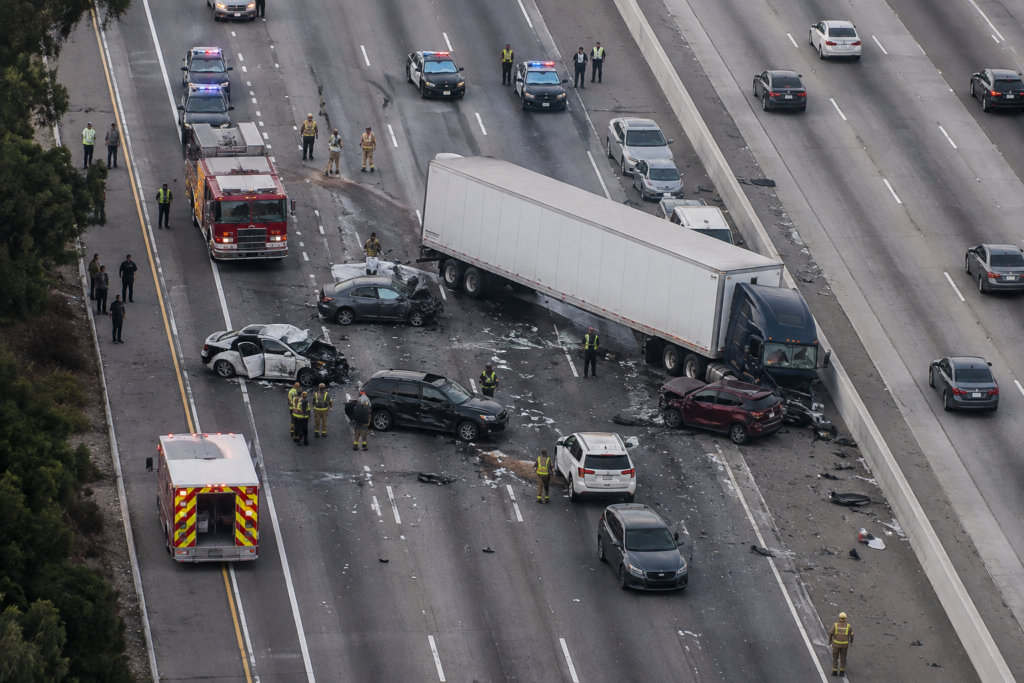
Los accidentes de camiones pueden causar una amplia gama de lesiones, desde afecciones que se resuelven con tratamiento hasta lesiones permanentes que afectan el trabajo, la movilidad, la independencia y las necesidades médicas futuras. La diferencia de tamaño entre un camión comercial y un vehículo de pasajeros puede aumentar las fuerzas involucradas, pero el valor legal de una reclamación aún depende de las lesiones específicas y de las pruebas que las respalden.
Después de una colisión grave de camión, el expediente médico se vuelve fundamental tanto para el tratamiento como para la reclamación por lesiones. El diagnóstico, las recomendaciones de tratamiento, las imágenes médicas, la terapia, las restricciones laborales y el pronóstico a largo plazo pueden ayudar a explicar cómo el accidente afectó la vida de la persona lesionada.
Lesiones cerebrales traumáticas
Una lesión cerebral traumática puede variar desde una conmoción cerebral hasta una lesión más grave que implique sangrado, inflamación, deterioro cognitivo o efectos neurológicos a largo plazo. No todas las lesiones cerebrales incluyen pérdida del conocimiento, y los síntomas como dolor de cabeza, mareos, problemas de memoria, dificultades de concentración, cambios en el sueño o sensibilidad a la luz pueden requerir evaluación médica.
En una reclamación, el problema importante no es solo la etiqueta. Los registros médicos, los hallazgos diagnósticos, las evaluaciones de especialistas, las limitaciones laborales y la evidencia de cambios en el funcionamiento diario pueden ayudar a establecer el alcance y la duración de la lesión.
Lesiones de la médula espinal y lesiones graves de la espalda
Los accidentes de camiones pueden causar lesiones en el cuello, la espalda, las vértebras, los discos, los nervios o la médula espinal. Algunas lesiones pueden mejorar con atención conservadora, mientras que otras pueden requerir cirugía, rehabilitación, manejo del dolor, dispositivos de asistencia o tratamiento a largo plazo.
Una lesión medular puede provocar la pérdida parcial o total de la función motora o sensorial por debajo del punto de la lesión. Cuando la movilidad o la independencia se ven afectadas de forma permanente, es posible que el análisis de los daños deba tener en cuenta los cuidados futuros, el home o las adaptaciones del vehículo, las limitaciones profesionales y otras necesidades a largo plazo.
Huesos rotos y lesiones ortopédicas
Las fracturas pueden afectar los brazos, las piernas, las costillas, la pelvis, los hombros, las manos, los pies u otras partes del cuerpo. Dependiendo de la fractura, el tratamiento puede incluir yeso, cirugía, material de osteosíntesis, fisioterapia y tiempo de baja laboral.
Las lesiones ortopédicas también pueden incluir desgarros de ligamentos, articulaciones dañadas, lesiones en el hombro, lesiones en la rodilla y otras afecciones que limitan el movimiento. Una persona puede técnicamente regresar a trabajar mientras aún tiene restricciones que afectan levantar peso, estar de pie, conducir u otras tareas físicas.
Lesiones internas
El traumatismo por objeto contundente puede lesionar órganos internos o causar hemorragias internas que no son evidentes desde el exterior. El traumatismo abdominal o torácico puede requerir diagnóstico por imagen urgente, observación, cirugía u otro tratamiento.
Debido a que las lesiones internas pueden ser difíciles de evaluar para una persona lesionada sin una evaluación médica, los síntomas nuevos o empeorantes después de una colisión de alta fuerza no deben descartarse simplemente porque no hay una herida visible.
Quemaduras, laceraciones y cicatrices
Vidrios rotos, metal retorcido, escombros en la carretera, combustible, fuego o el contacto con componentes dañados del vehículo pueden causar cortes, heridas punzantes, quemaduras u otras lesiones en la piel y los tejidos. Algunas heridas sanan con un tratamiento limitado. Otras pueden requerir cirugía, injertos de piel, cuidado de cicatrices o tratamiento continuo.
La cicatrización permanente o la desfiguración pueden afectar tanto la función física como los daños no económicos asociados con la lesión. Las fotografías tomadas durante la recuperación a veces pueden ayudar a documentar cambios que son difíciles de apreciar solo a partir de la apariencia final sanada.
Lesiones por aplastamiento y amputaciones
Las colisiones graves pueden atrapan a un ocupante o exponer parte del cuerpo a una fuerza significativa. Las lesiones por aplastamiento pueden dañar huesos, músculos, nervios y vasos sanguíneos. En los casos más graves, puede producirse una amputación traumática o quirúrgica.
Las reclamaciones relacionadas con la pérdida de una extremidad o lesiones graves por aplastamiento pueden requerir un análisis a largo plazo de las prótesis, la rehabilitación, las intervenciones futuras, las modificaciones home, la capacidad laboral y el impacto en las actividades cotidianas. Esas pérdidas futuras deben estar respaldadas por pruebas médicas y de otro tipo adecuadas, en lugar de estimarse de forma superficial.
Efectos psicológicos y emocionales
Un accidente grave de camión también puede producir daños psicológicos. La ansiedad, los trastornos del sueño, el miedo a conducir, la depresión o los síntomas postraumáticos pueden formar parte de la recuperación. California reconoce el sufrimiento mental y la angustia emocional como posibles daños no económicos cuando están respaldados por los hechos del caso.
Al igual que con las lesiones físicas, la documentación es importante. Los registros de tratamiento, los testimonios creíbles y las pruebas que muestran cómo los síntomas afectan el trabajo, las relaciones, el sueño, el transporte o las actividades ordinarias pueden ayudar a explicar la magnitud del daño.
Por qué importa el panorama médico a largo plazo
Una factura de urgencias inicial rara vez cuenta toda la historia de una lesión grave. Algunas personas necesitan meses de terapia, estudios de imagen de seguimiento, cirugía, atención especializada o rehabilitación. Otras desarrollan restricciones permanentes que afectan su ocupación o requieren atención futura.
Una demanda debe distinguir entre las pérdidas que ya han ocurrido y las pérdidas futuras que se esperan razonablemente. Los daños y perjuicios en California pueden incluir gastos médicos futuros y pérdida de ingresos futuros cuando dichas cantidades estén respaldadas por pruebas en lugar de especulaciones.
Las pruebas de accidentes de camiones van más allá de los historiales de lesiones
La evidencia de las lesiones explica el daño, pero una demanda por accidente de camión también debe abordar por qué ocurrió la colisión y quién fue el responsable. Dependiendo del caso, la evidencia puede incluir registros del conductor, información de inspección o mantenimiento del vehículo, datos electrónicos, registros de carga, registros de la empresa, fotografías, declaraciones de testigos y otros materiales.
La responsabilidad puede involucrar potencialmente a un conductor de camión, una empresa de transporte motorizado, el propietario del vehículo, un proveedor de mantenimiento, una parte relacionada con la carga, otro conductor u otra entidad, según los hechos. La existencia de un camión comercial no establece automáticamente la negligencia de la empresa de transporte.
Reclamaciones por accidentes de camiones en West Covina y el condado de Los Ángeles
Los camiones comerciales circulan por West Covina y el Valle de San Gabriel a través de importantes vías de superficie y corredores de autopistas que conectan la región en general de Los Ángeles. Una colisión en la que participe un tráiler, un camión de reparto u otro vehículo comercial puede generar problemas médicos y de responsabilidad que merecen atención por separado.
De la firma página de accidente de camión proporciona más información sobre las reclamaciones de vehículos comerciales. La firma página de lesiones personales explica las categorías comunes de daños y el proceso de reclamos más amplio en California.
La cuestión médica más importante tras un accidente de camión no es si una lesión aparece en una lista genérica. Es qué se diagnosticó realmente, qué tratamiento es razonablemente necesario, qué limitaciones persisten y cómo esas condiciones afectan el trabajo y la vida diaria de la persona.
